
Partners in Applied Growth and Education, LLC
Individualized support, built around your family.
PAGE provides BCBA-led consultation, caregiver coaching, homeschool support, and early intervention support for neurodivergent children and their families.
You know your child. PAGE brings the expertise.
Consultation begins with understanding what is happening in your child's real life — not with choosing a predetermined program.
Parents and caregivers bring knowledge that no assessment or textbook can replace: what their child enjoys, how they communicate, what has been tried, what matters to the family, and what everyday life actually looks like.
PAGE brings clinical expertise in learning, development, communication, behavior, and instruction. Together, we identify priorities, develop practical strategies, try them in real routines, and adjust based on what happens.
PAGE may work directly with your child when that is useful for modeling, observation, or practice. The parent or caregiver remains an active partner throughout the process.
The goal isn't to give you another list of things to try.
It's to help you understand what is happening, figure out what fits your child, and leave with strategies that make sense in your actual life.
Support should make families feel more capable — not more dependent.
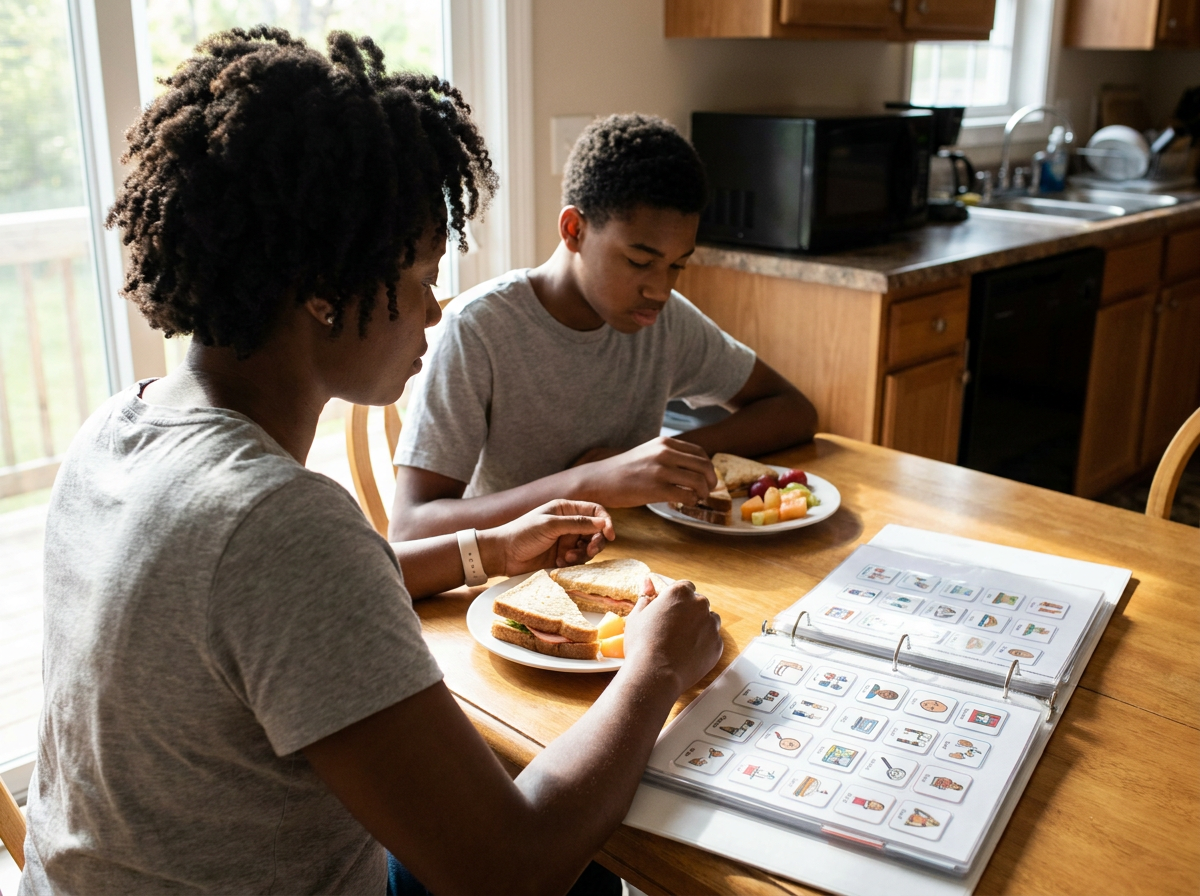
Understanding the learner, then building what actually helps.
“I know something isn't working. Can you help me figure out what?”
Individualized consultation is for families with questions or concerns about learning, communication, participation, independence, behavior, or everyday functioning.
We start by understanding the learner and the environment: what is working, what is difficult, and what the day is actually asking of your child. From there, consultation turns that understanding into practical supports that can be used in everyday life rather than in a separate therapy world.
What this can include
- Understanding barriers to learning, communication, and participation
- Instructional strategies that fit your child and your routines
- Environmental supports and materials
- Individualized goals and progress monitoring
- Generalization across people and settings
- Practical problem-solving as needs change
Confidence in the moments that make up your day.
“Can you show me how to help my child?”
Coaching helps parents and caregivers understand their child's learning and development and use practical strategies inside everyday routines.
The goal is not to turn parents into therapists. The goal is confidence: understanding how your child learns and communicates, recognizing which moments in the day create useful opportunities, and having a manageable number of strategies that hold up in real life.
What this can include
- Understanding how your child learns and communicates
- Coaching inside real routines
- Communication and interaction strategies
- Supporting play and engagement
- A realistic number of strategies — not a binder full of them
- Follow-up support as things change
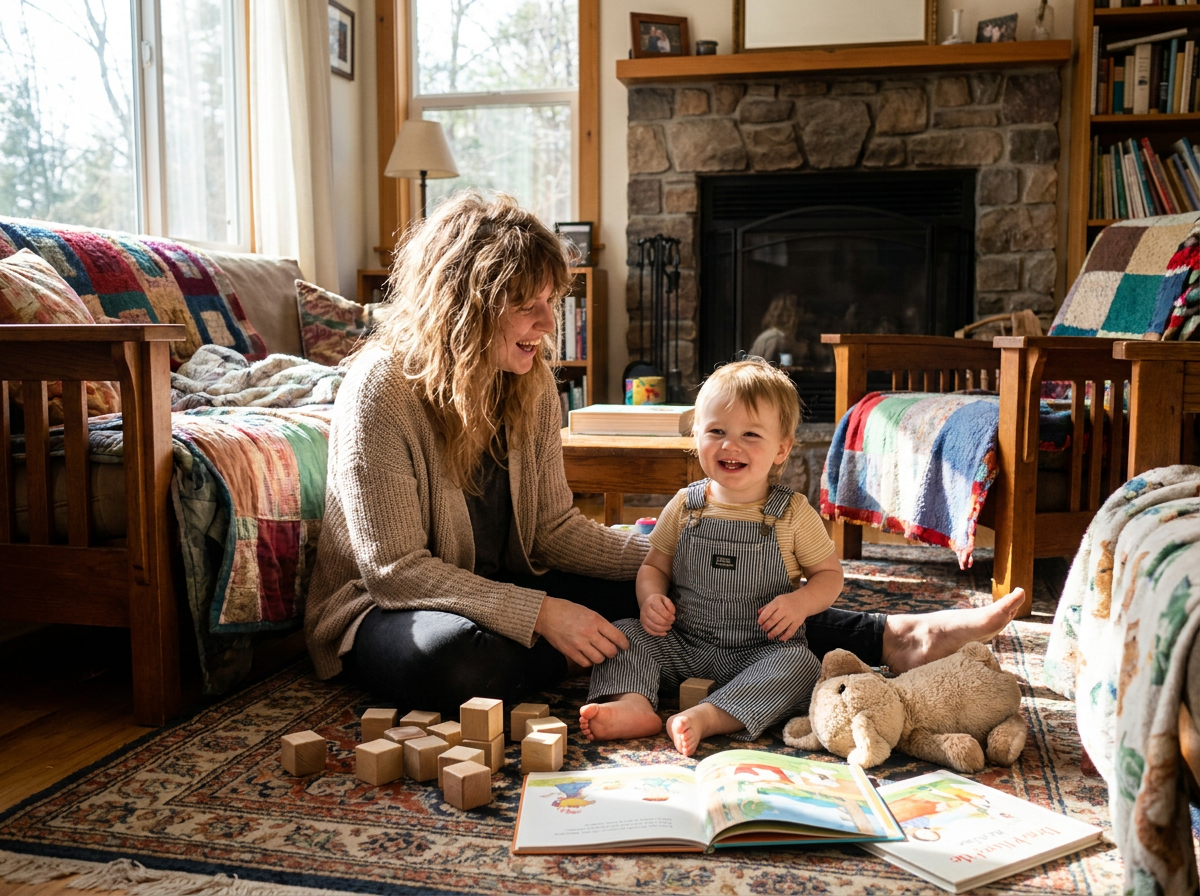

Learning doesn't have to look like school.
“How can I make learning work better at home?”
PAGE provides consultation and support for homeschool families — not a curriculum.
Many families educate at home because their child needs something more individualized. Consultation can help turn that intention into workable routines, instructional strategies, communication and independence supports, individualized goals, and learning environments that fit your child.
What this can include
- Daily routines and rhythm that reduce friction
- Adapting instruction to how your child learns
- Increasing engagement with learning activities
- Supporting communication and independence throughout the day
- Individualized learning goals and supportive environments
- Daytime consultation availability for homeschool schedules
Teaching embedded in play and everyday activities.
“What can I do now to support my young child's development?”
Support for young children and their families around early learning, communication, developmental skills, play, participation, and caregiver implementation.
Teaching is embedded in play and everyday activities. The emphasis is on communication, early learning, sharing attention, imitation, playing with people and materials, social engagement, participating in routines, and beginning to do things independently.
What this can include
- Communication and early language
- Play and social engagement
- Imitation and learning readiness
- Early independence within daily routines
- Caregiver implementation inside everyday routines
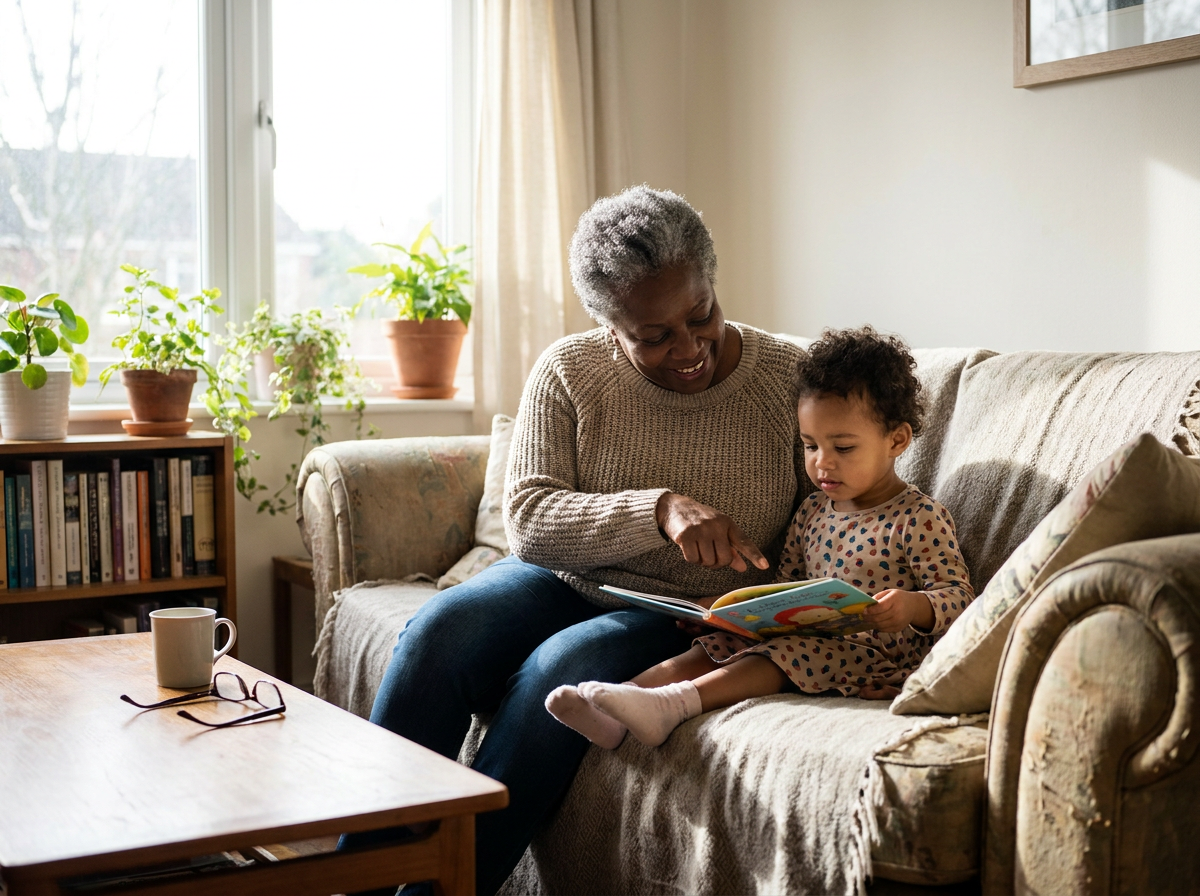
Support where learning actually happens.
Services are provided in the environments where learning happens — home and community settings within the service area — with telehealth available as a secondary option when appropriate.
In-person consultation
Consultation can take place in the environments that matter to your child's everyday life, allowing recommendations to be developed around real routines, materials, people, and activities.
This might include home routines, homeschool activities, play, community participation, or other everyday settings within the service area.
Telehealth
Telehealth consultation may be available for appropriate families and professionals, including caregiver coaching, planning, and follow-up sessions.
Suitability is discussed during the initial conversation, since some situations are better served in person.
What we can help with
These are areas consultation may focus on. Every plan is built from the learner and the family's priorities, so this is a starting point rather than a menu.
Private pay. PAGE is a private-pay practice. This is what allows the scope, scheduling, and pace to be built around your family rather than a funding requirement. PAGE does not bill insurance. Families may receive itemized invoices for potential out-of-network submission.
Rates. Rates and the expected time commitment are shared before services begin, so there are no surprises. Services are structured into individualized packages based on each family's needs and estimated time.
Focus of the practice. PAGE supports communication, learning, engagement, participation, independence, everyday functioning, and caregiver confidence through individualized consultation. PAGE does not provide crisis intervention, intensive behavioral treatment, or high-volume insurance-funded direct therapy. If a different level of care is appropriate, we will say so directly.
Where we meet. In the environments where learning happens — home and community settings within the service area — with telehealth available when appropriate.
Wondering whether PAGE is the right fit?
Start with a conversation. Tell us what you're seeing, what you're concerned about, and what you would like to change. We'll determine whether PAGE's approach is a good match for your needs.
Request a Consultation →